

Las probabilidades son para un alza de tasas de la Fed esta semana
La Reserva Federal está atrapada entre la presión para bajar las tasas y la inflación aún alta
Lectura de 5 minutos
PUNTOS CLAVE
- La inflación sigue siendo lo suficientemente pegajosa como para mantener firmemente sobre la mesa una subida de tasas de la Reserva Federal en septiembre.
- Los precios más altos del petróleo, la gasolina y el diésel están agregando presión a las expectativas de inflación y complicando las perspectivas de la Fed.
- El fuerte crecimiento económico y la inversión impulsada por la IA están respaldando la economía, pero las tasas más altas podrían presionar aún más a los consumidores ya sobrecargados.
La buena noticia es que las medidas de inflación del Índice de Precios al Consumidor (IPC) no empeoraron, pero tampoco mejoraron lo suficiente como para reducir las posibilidades de que el Comité Federal de Mercado Abierto (FOMC) aumente las tasas en su reunión del 15 y 16 de septiembre. Al momento de escribir este artículo, las posibilidades de un aumento ahora se sitúan en más del 90%. Después de los recientes comentarios del Presidente Warsh sobre la necesidad de ver pruebas sustanciales de una tendencia de mejora de la inflación, esta expectativa no es sorprendente.
La naturaleza continua, de hecho cada vez más intensa, del conflicto en Irán junto con la guerra entre Rusia y Ucrania han llevado no solo a precios más altos del petróleo, sino a aumentos aún mayores en destilados como gasolina, queroseno (combustible para aviones) y especialmente diesel. El precio promedio de un galón de gasolina en los Estados Unidos ahora está por encima de $ 4 y el combustible diesel es más de $ 5 por galón. A pesar de que la Fed elimina los alimentos y la energía de sus cálculos de inflación "básica", los participantes del mercado saben que los períodos prolongados de precios más altos de la energía eventualmente se desangran en las medidas básicas, ya que la energía es una parte clave de la red de producción y distribución. Las expectativas de un fin del conflicto con Irán este verano se están desvaneciendo rápidamente a medida que aumentan los ataques militares y se están ampliando para incluir nuevas áreas de ataque. Los comentarios recientes de la administración indican que es posible luchar durante las elecciones de mitad de período. Más allá de las implicaciones políticas del aumento de los precios de la energía y la inflación, los consumidores estadounidenses siguen sintiendo el impacto de la inflación agregada vigente desde el inicio de la pandemia.
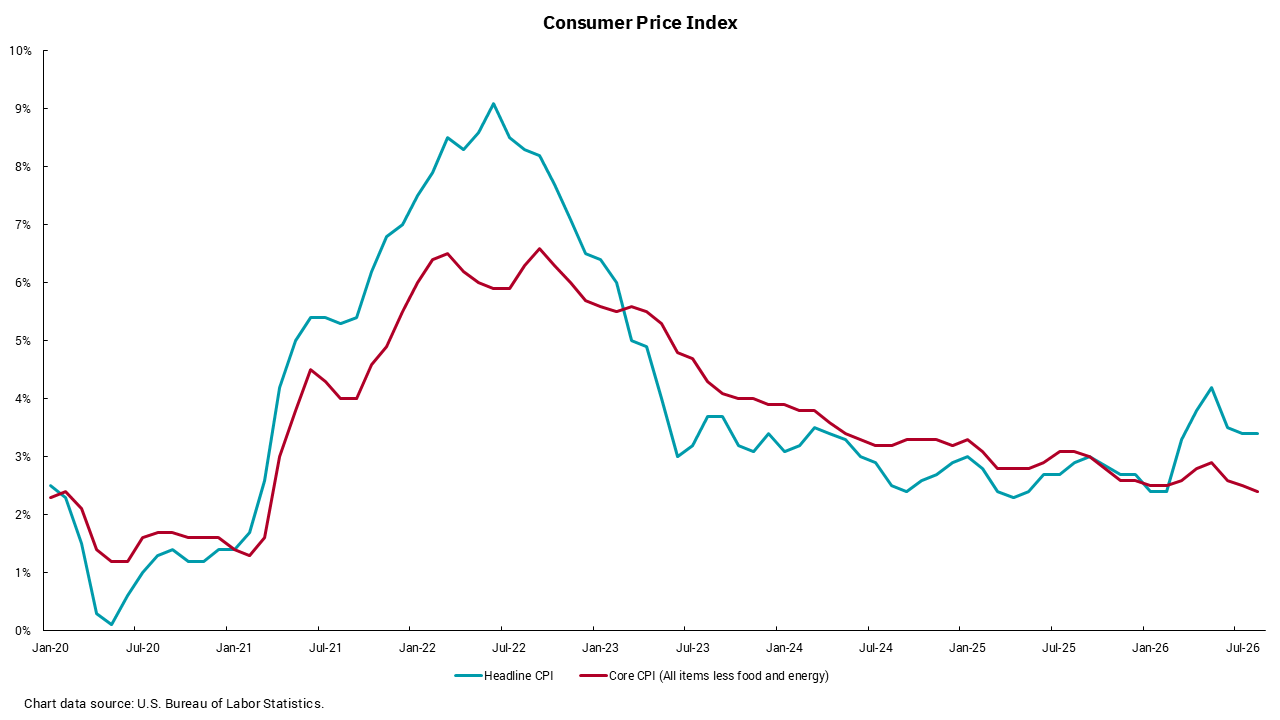
Además, la reciente declaración del presidente Trump sobre el envío de un cheque de "dividendo" de $5,000 si los republicanos mantienen el control de la Cámara de Representantes y el Senado no ayudará si la idea es reducir la inflación. Se estima que esta acción costaría más de 1 billones de dólares. Mientras tanto, el gasto fiscal ya está en niveles que están resultando en déficits presupuestarios anuales insostenibles y un nivel de deuda nacional superior a $ 40 billones ($ 34 billones en poder del público). Ahora estamos gastando casi el 20% de los ingresos del gobierno en gastos por intereses y, dado el calendario de emisión y las tasas de interés actuales, es probable que esa proporción aumente. Históricamente, hemos visto cierto movimiento hacia un nivel de restricción fiscal cuando el gasto en intereses superaba el 14%; Sin embargo, eso parece poco probable hoy en día.
Todo esto no es para sonar demasiado negativo. Parte de la razón por la que la inflación sigue siendo obstinadamente alta es que el crecimiento de Estados Unidos es fuerte, impulsado por la inversión masiva de capital en inteligencia artificial (IA) y otras industrias. Sin embargo, en un guiño a la naturaleza desigual de quién se está beneficiando, los niveles de confianza del consumidor cayeron en la encuesta más reciente de la Universidad de Michigan. No esperamos que un aumento de tasas, o incluso dos aumentos, cambien materialmente el curso del auge del gasto de capital en el que estamos, pero las tasas más altas afectarán los presupuestos de los consumidores que ya están al límite.
En conjunto, la Reserva Federal está en una situación difícil. La presión política para bajar las tasas podría estar llevando a un sesgo más fuerte para elevar las tasas para afirmar la independencia y credibilidad del FOMC. Y si bien hay razones para mantener las tasas estables, anticiparíamos un aumento en la próxima reunión. Cómo ocurra eso, unánimemente o con disidencias, podría influir en nuestros puntos de vista sobre lo que viene después.
Obtenga By the Numbers en su bandeja de entrada.
Suscríbase (Se abre en una pestaña nueva)